
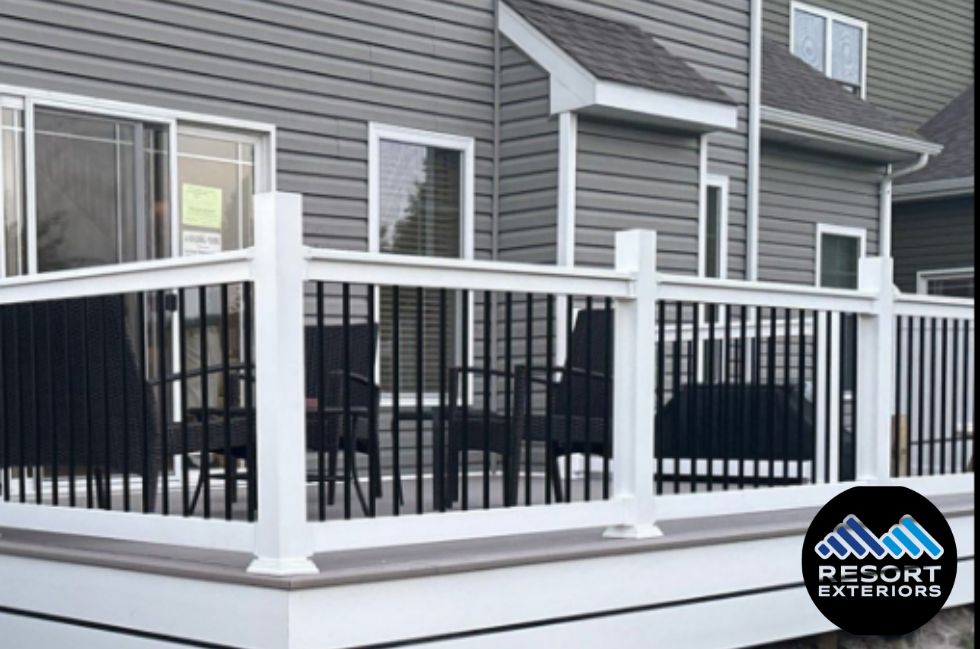
Planning your deck arrangement is a fun and exciting step towards creating the perfect outdoor space for your family to hang out in, whether that’s hosting crazy summer barbecues, sipping quiet morning coffee, or just chilling with the kids under the stars. A good deck installation service is all it takes to bring your ideas to life.
And let’s be honest, a well-planned deck design gives you more than just a house that looks pretty from the outside. Resort Exteriors can help you get the most out of your outdoor space, making it feel like a seamless extension of your home, which will boost your property value. By thinking about things like deck size, design, and what you want to use it for, you can create a space that really works for you and adds real value to your home. Plus, with the right attitude, planning a new deck can be a blast. This blog will give you some top tips to help you create the perfect deck, one that fits your needs, looks awesome, and is also super functional.
Assessing Your Needs And Lifestyle
Before getting into all the details of deck building in Ocean City, take some time to think about how you want to use it. This will make sure it’s wrapped up in your lifestyle from day one and meets all your needs.
Determine Deck Usage
Think about this: what are you hoping to get out of your deck? If you love throwing parties, you’ll probably want a big one with loads of space for seating, dining, and all that jazz. Or maybe you just want to sneak away to a quiet reading nook with a comfy couch and some greenery? Are you a bit of a grill master? You might want to include a cooking area with room for your barbecue or outdoor kitchen gear. Getting clear on what you want out of your deck will have a big impact on what it looks like and how it feels.
Consider The Size And Scale
The deck size needs to be right for both what you want to do on it and the size of your yard. A massive deck on a small backyard can look a bit… well, ridiculous. And on the flip side, a teeny-weeny deck in a big backyard might feel a bit cramped when you’ve got guests coming over. It’s all about finding a balance that feels right for your space and your home.
Think About The Future
Think about your long-term goals when planning a deck design. Will your family grow? Do you want to add other elements later on, such as a hot tub or a pergola? Planning can help you save time, effort, and money in the long term. Understanding your lifestyle and visualizing how you will use the space will offer a good foundation for designing a deck that is both functional and enjoyable to use.
Understanding Local Building Codes And Regulations
Before you start building your deck, make sure you are aware of the local building codes and regulations. These requirements are not only intended to complicate the process but also to ensure that your deck is safe, long-lasting, and legally compliant. Making an effort to handle these details now will save you headaches later.
Safety Standards
Building codes have specific safety requirements for decks, such as:
- Railing Height and Spacing: Ensures that railings are tall enough and balusters are close enough to avoid falls.
- Load Capacity: Determines whether your deck can safely support the weight of people, furniture, and any additional items such as hot tubs.
These guidelines are essential for creating a safe deck for everyone to use.
Property Boundaries
Decks can often be subject to setback limitations, which limit how close you can build to the property’s boundaries. Check your plat map or contact your local planning agency to avoid invading a neighbor’s property or violating zoning regulations. Taking the time to understand and adhere to these guidelines protects your deck while avoiding legal ramifications. With the paperwork done, you can concentrate on making your dream deck a reality!
Choosing The Right Location
Choosing the ideal location for your deck is an important step in planning. The location affects how you use the space, how comfortable it is, and how well it integrates with your home and yard. You can make the best use of your outdoor space by considering factors such as sunlight, privacy, and accessibility.
Sunlight And Shade
Pay attention to how the sun moves across your yard throughout the day. Do you prefer a sunny balcony for your morning coffee or a shaded refuge on hot afternoons?
- Natural Shade: Place the deck near trees or under an existing overhang to take advantage of natural shade.
- Additional Coverings: If you have minimal shade, consider installing a pergola, umbrella, or retractable awning.
Privacy
Even if you live in a crowded neighborhood, your deck should feel like a private oasis. Consider how visible your deck will be to neighbors and pedestrians. Use landscaping, such as hedges or tall plants, to create a natural privacy fence. Use privacy screens or panels to protect your deck from unwelcome views without totally closing it off.
Access Points
Convenience is essential when it comes to deck placement. Make sure your deck is conveniently accessible from your home, typically via a kitchen, living room, or other regularly used area. If your yard has amenities such as a pool, garden, or fire pit, arrange your deck such that it connects effortlessly to them. Choosing the ideal location for your deck ensures that it is both pleasant and practical in your outdoor environment. With careful planning, you can design a deck that feels like a natural extension of your home.
Designing For Functionality
A great deck is more than just how it looks; it should also work well for you. Designing with functionality in mind ensures that your deck meets your requirements while also providing a relaxing and enjoyable environment. You can create a deck that is both functional and visually appealing by considering deck layout design, furniture placement, and traffic patterns.
Layout Flow
Consider how you want your deck to function. Creating designated zones can help organize the space and make it more adaptable.
- Lounge Area: Set aside a lounge area with comfortable seating for leisure or casual conversations.
- Dining Space: Make room for a table and chairs so you can dine outside.
- Cooking Zone: If you enjoy grilling, set up a safe area for your barbecue or outdoor kitchen away from seating.
Separating these zones reduces overcrowding and keeps your deck functional and organized.
Furniture And Accessories
Your deck’s design should accommodate the furnishings and accessories you want to include. Choose furniture that fits comfortably without overcrowding the room. Plan for extras such as umbrellas, heaters, and fire pits, and ensure there is enough space to use them safely. If storage is an issue, try built-in benches or storage boxes to keep everything organized and accessible.
Traffic Patterns
A well-designed deck allows for free movement, even during gatherings. Maintain clear paths between zones to avoid congestion. Place stairs, gates, or entry points in the most easily accessible areas of your yard or property. Avoid setting up furniture or features in areas where they will obstruct pedestrian traffic. By emphasizing functionality, you can design a deck that is not only visually appealing but also functional and simple to use. This thorough approach ensures that your outdoor space will fit into your lifestyle and provide years of enjoyment.
Wrapping Up
Designing the ideal backyard deck requires careful planning, strategic decisions, and a clear vision of how you want to use your outside space. From knowing your lifestyle and local restrictions to selecting the best layout, materials, and location, every decision contributes to the creation of a deck you’ll enjoy for years to come.
Resort Exteriors understands that your deck should be more than just an addition; it should feel like an organic extension of your house. With our professional deck installation services, we can turn your ideas into a beautifully designed, functional outdoor retreat that is tailored to your specific style and needs. When you’re ready to turn your backyard vision into a reality, our team is here to make the process simple, enjoyable, and rewarding.
Frequently Asked Questions
What should be the first step before designing a deck?
The first step is to decide how you plan to use your deck. Consider your lifestyle, how frequently you entertain, and the activities you want the room to accommodate: relaxing, dining, or hosting groups. It’s also critical to research local building codes and property regulations early on to ensure that your design is safe, functional, and compliant from the start.
How do I determine the appropriate size and shape for my deck?
The appropriate size and shape depend on your yard space, home architecture, and intended purpose. A deck intended for entertainment will require more open space, but a deck designed for leisure can be smaller and more intimate. Consider how the deck will link to your home and flow with the landscape to create a harmonious, natural-looking outdoor space.
What materials are good options for a deck, and how do I choose?
Natural wood, composite decking, and PVC or vinyl are among the most popular deck materials. Wood has a classic appearance but requires frequent upkeep. Composite and PVC materials require less maintenance, are long-lasting, and are resistant to weather damage. Your decision should take into account your budget, desired appearance, maintenance preferences, and local weather conditions.
How do foot traffic, sightlines, and safety concerns affect deck design?
A well-designed deck facilitates movement while preventing crowding. Clear paths are beneficial for managing foot traffic, particularly at events. Sightlines should be considered so that seating areas can enjoy breathtaking views while remaining private. The deck is safe and comfortable for both daily use and entertainment when the railings, steps, and lighting are installed correctly.